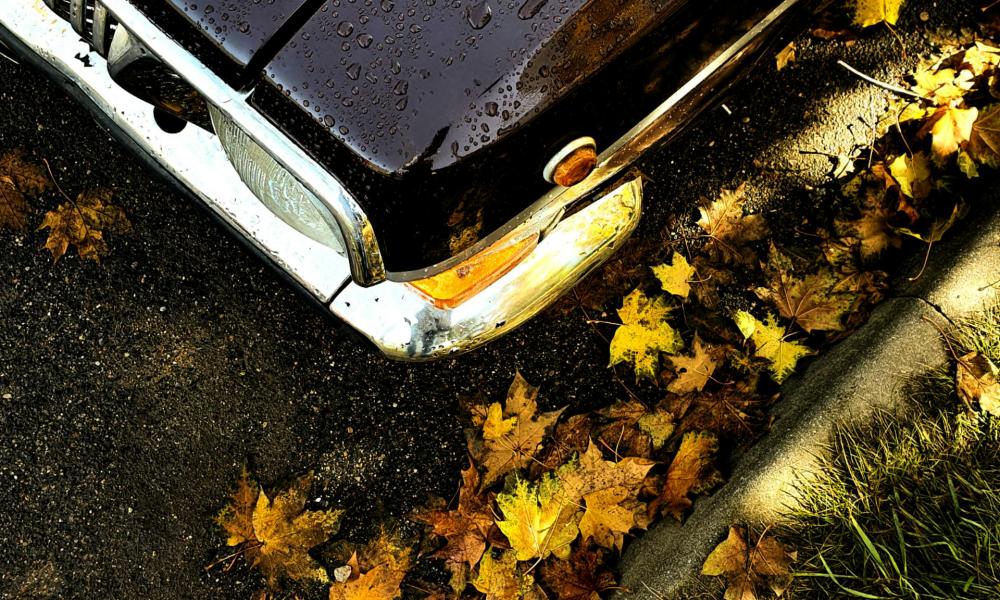
Seasons change gradually and then suddenly. The temperature that has been dropping by a degree or two each week reaches a threshold one morning and the character of the air is simply different — heavier, colder, carrying things it wasn’t carrying before. For the vehicle that has been running on a filter installed in a different season, under different conditions, this transition is the moment when the gap between what the filter can do and what is being asked of it becomes most apparent.
What Seasonal Shifts Ask of Filters
Each season brings a distinct set of demands on a vehicle’s filtration systems. Spring introduces high concentrations of pollen — the most allergenic season for cabin air, and the one during which a degraded cabin filter causes the most immediate and noticeable impact on the passengers inside. Summer brings heat and the increased biological activity that heat encourages — the conditions under which a cabin filter that has accumulated moisture becomes a substrate for mold and bacteria growth. Autumn delivers a new crop of organic particles — decomposing leaves, seed material, the particular dust of cooling ground — that load both the cabin and engine filters more quickly than the preceding summer months. Winter demands clean combustion at reduced temperatures, and a partially restricted engine air filter that performed adequately in warm weather may produce noticeable hesitation when asked to deliver clean air to a cold start.
The Inspection That Costs Nothing
A seasonal filter inspection is not a technical procedure. It requires no tools and no mechanical knowledge — only the habit of checking. The engine air filter is typically accessible without tools in most vehicles: a cover secured by clips or a single fastener, a filter visible immediately upon opening. Holding it to the light takes seconds. The cabin filter location varies by vehicle but is almost always documented in the owner’s manual and takes under five minutes to access in most cases.
The value of this inspection is not only in catching filters that need replacing. It is in establishing, twice a year, an accurate picture of the vehicle’s actual condition rather than an assumed one. Most filter replacements that happen at the right time happen because someone looked. Most that happen too late happen because no one did.
The Rhythm Worth Keeping
Seasonal maintenance has an elegance that mileage-based schedules lack — it synchronizes with the natural rhythm of the year rather than requiring the driver to track an odometer figure. Spring inspection before pollen season. Autumn inspection before cold weather. Two moments per year, predictable and easy to remember, that keep the vehicle’s filtration systems in the window where they perform as designed.
The cost of this rhythm is negligible. The cost of abandoning it accumulates quietly, in the air that gets breathed and the engine wear that goes unnoticed, until the season arrives when it no longer can.
Change with the seasons. The car will follow.