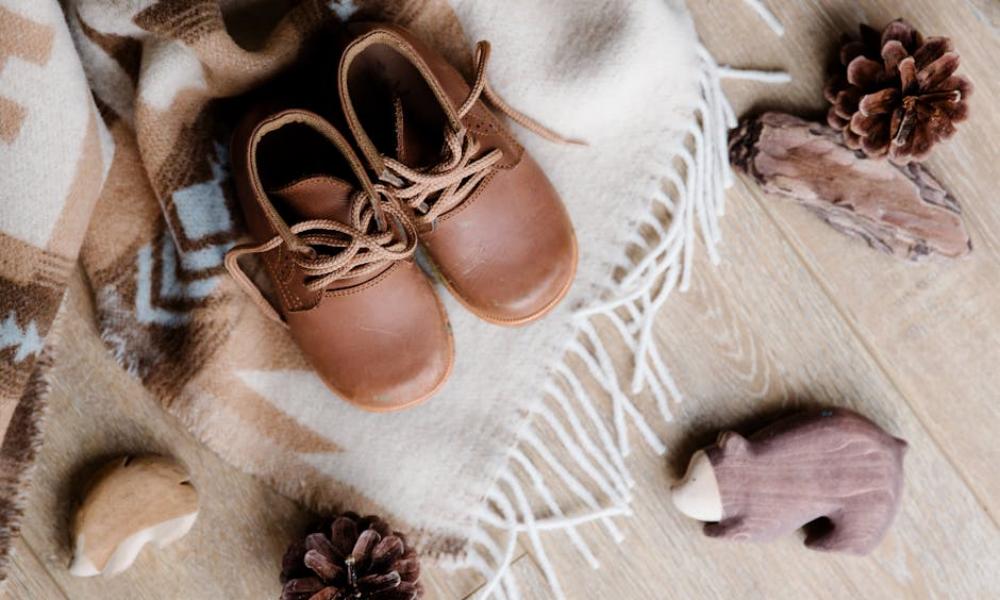
A child’s foot grows faster than almost any other part of them. In the first year of walking alone, most children move through three or four shoe sizes. This is not a shopping inconvenience. It is a biological instruction — one that has direct consequences for how the foot develops, and one that most footwear fails to take seriously enough.
The Space Inside Matters as Much as the Shoe Outside
The standard recommendation of a thumb’s width between the longest toe and the end of the shoe exists for a reason — developing bones need room to move, to spread, and to bear weight without compression. A shoe that fits perfectly today may be restricting growth within six weeks. The fit is not a moment. It is a moving target that requires attention each time a new pair is chosen.
Width Is the Dimension Most Often Ignored
Shoe sizing communicates length. It says almost nothing about width — which is, for a developing foot, equally important. A narrow toe box that squeezes the phalanges inward during the years when bone is still primarily cartilage can influence the foot’s long-term shape in ways that become apparent only much later. The wide toe box is not a stylistic choice. It is a developmental one.
Growing Fast Doesn’t Mean Buying Cheap
The frequency of replacement during early childhood leads many parents toward lower-cost options on the logic that the shoe will be outgrown quickly anyway. The inverse argument is more persuasive: precisely because the foot is growing and forming so rapidly, the quality of the shoe during this window matters more, not less. The right shoe for six weeks of peak development is worth more than the wrong one worn for six months.
Give the foot room. It knows what to do with it.